
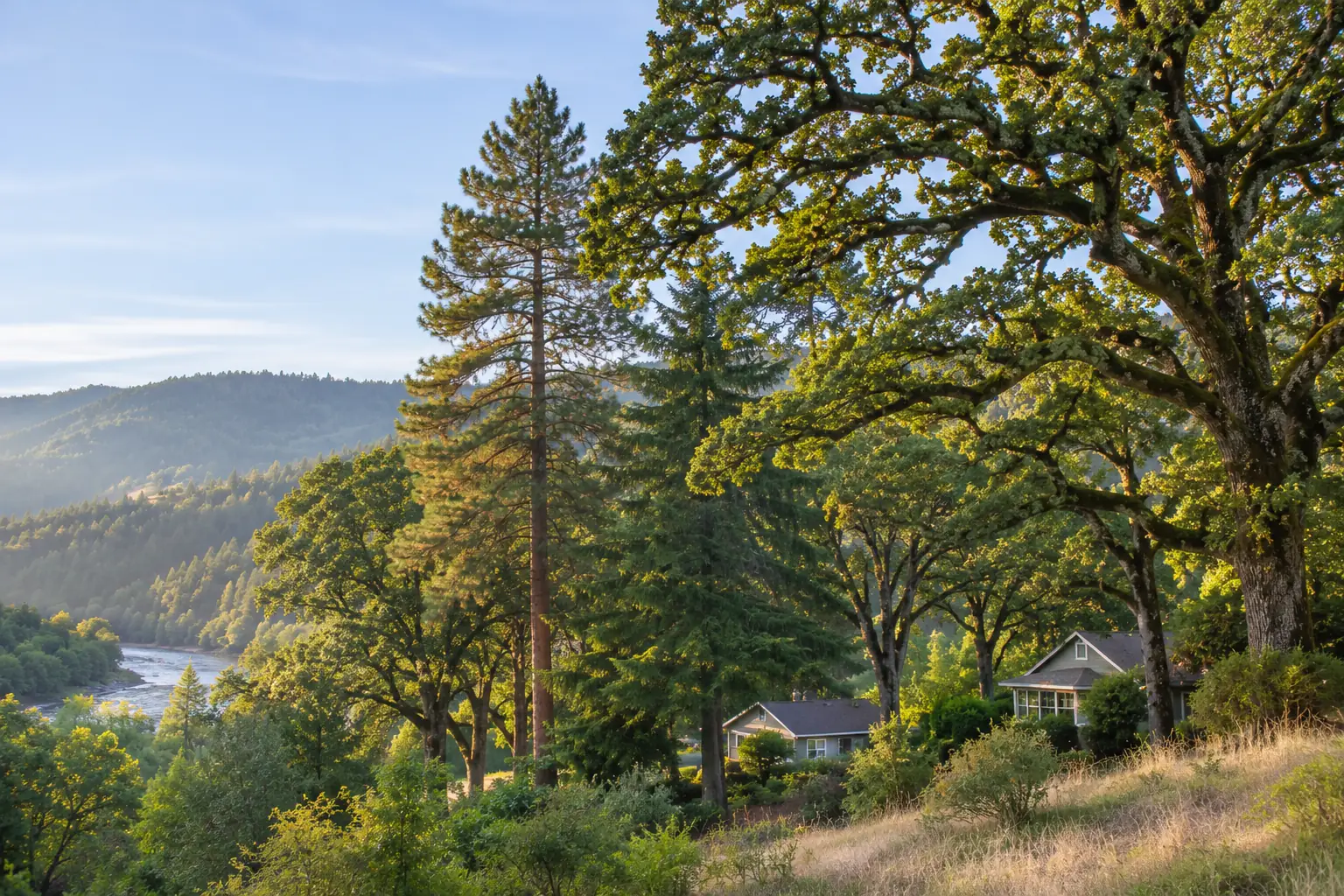
Need a tree taken down in Gold Hill? Call (541) 855-3080 to reach one tree service, a separate business licensed by the Oregon Construction Contractors Board (CCB). Phoning costs nothing, and neither does being referred. Charges for the job itself, or for a trip out to see it, are set by the company alone. More often than not a routine job is quoted for free, so raise it during that first conversation and get the sum on paper. Whether to hire it is your decision. The same number also takes requests for routine tree care such as pruning, explained on the trimming and pruning page.
This page covers tree removal in Gold Hill and the nearby Rogue Valley, from costs and riverbank rules to fire season saw limits and how to check a company.
How the free tree removal referral service works
The line passes your request to one independent tree company, and that company does the looking, pricing and cutting. Tree Removal Gold Hill only refers. It owns no equipment, employs no crews, and never inspects a tree or names a price.
- You call (541) 855-3080 or send the estimate form with your town and what is wrong with the tree.
- Your request goes to one separate tree business carrying an Oregon CCB license.
- The company follows up with you and prices the job. Ask for that price as a written estimate. You can accept it, turn it down or get other bids.
Any agreement for the work is made between you and the company. This site is not a party to it and does not guarantee a price, a date or the quality of the work. The how it works page explains the steps in more detail and spells out how little this site looks into: a lone CCB search, with every other check staying with you.
Who pays for the referral
You pay nothing to use this service, because the tree company pays the site. The company pays a referral fee for calls and form requests it receives, and that fee is how the site is funded. The price of your job is agreed directly between you and the company, and you never pay this site anything. The referral disclosure lays out how the arrangement works.
Signs a tree near your Gold Hill home should come down
A tree should come down when it is dead, dying or splitting apart, or when it is growing into something it will damage and pruning will not fix it. A company can confirm this on site. These are the signs that are worth a call:
- Dead branches through much of the crown, or a crown that stays thin and bare in summer.
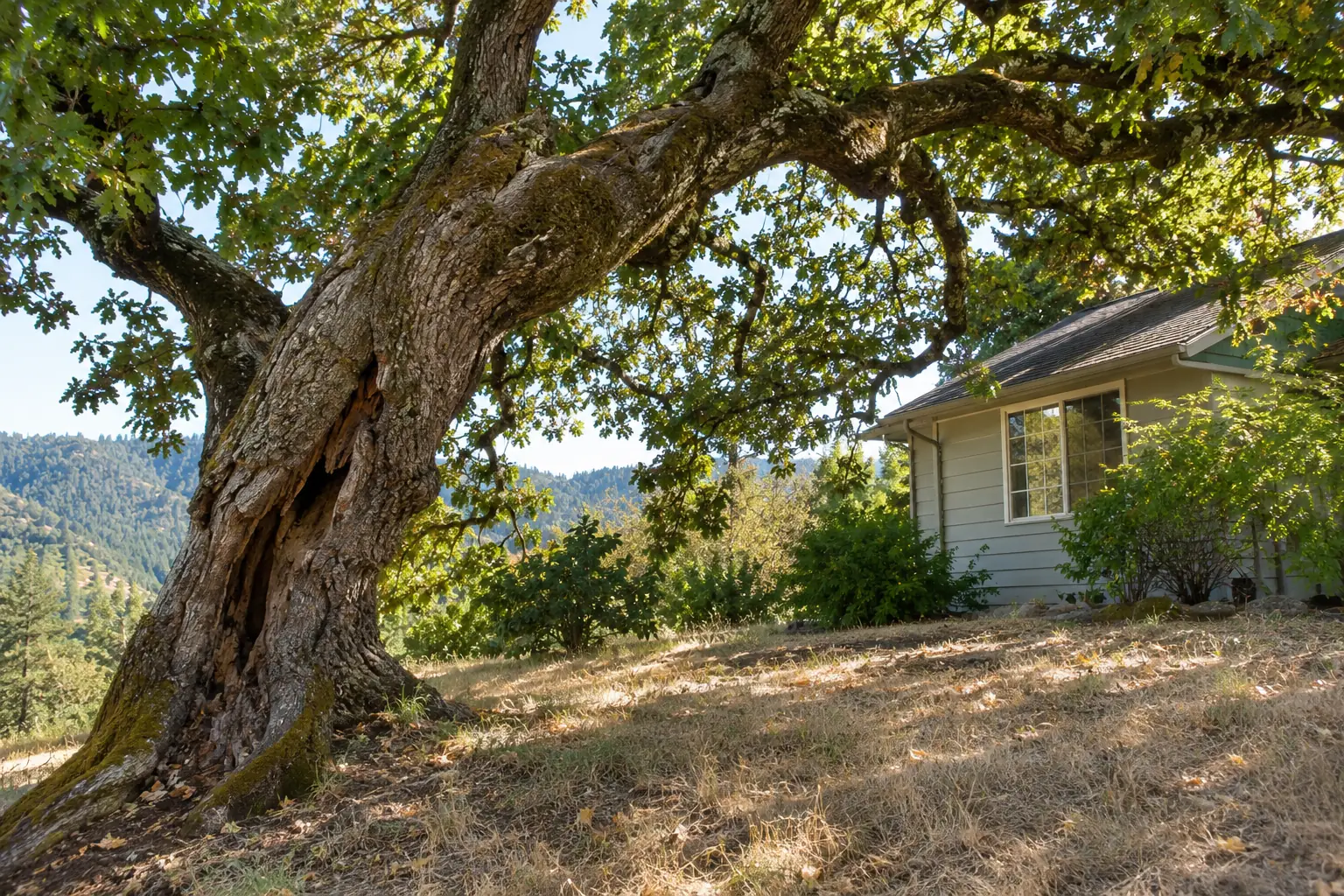
- A crack in the trunk, a split where two main stems join, or a cavity you can reach into.
- Mushrooms or shelf-like growths at the base, soft or crumbling wood, or roots lifting on one side.
- A new lean after wind or wet snow, especially with cracked or heaving soil on the far side.
- Limbs over the roof, driveway or a power line that keep breaking off.
- On Douglas-fir, branch tips that turn red and then gray, a dead top, small pitch droplets on the bark, or woodpeckers flaking off outer bark.
That last sign matters around here. Oregon State University Extension says that once woodpeckers are stripping a Douglas-fir's bark, the tree's death is almost certain, even if the needles are still green (OSU Extension EM 9406, September 2023).
A hazard tree is also a code question inside the city. Under Gold Hill's nuisance code, whoever owns or is in charge of a property must not leave a dead or decaying tree standing once it threatens the public, or people or property on or beside the lot (Gold Hill Municipal Code 8.08.100, Title 8). If you are unsure whether your tree has reached that point, the hazard tree removal page explains what a company looks for.
What tree removal costs in Gold Hill
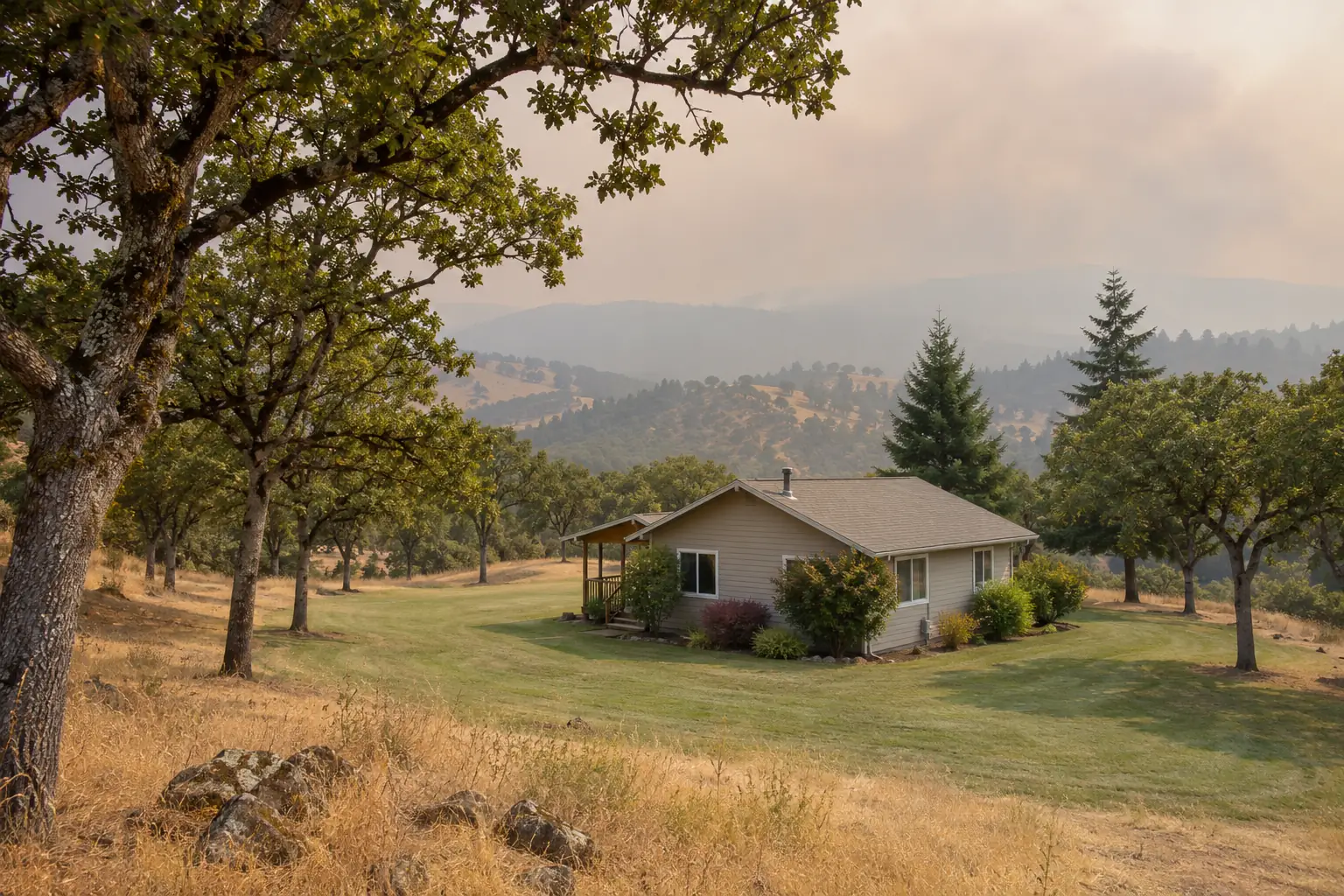
Most single-tree removals fall somewhere between a few hundred dollars and about $2,000, according to national cost guides, and the written estimate from the company that sees your tree is the number that counts. The guides below are national averages, not quotes from Gold Hill companies.
| Job | Typical range | Source and date |
|---|---|---|
| Tree up to 30 feet | $285 to $435 | Lawn Love, updated Oct. 5, 2026 |
| Tree 30 to 60 feet | $435 to $870 | Lawn Love, updated Oct. 5, 2026 |
| Tree 60 to 80 feet | $870 to $1,160 | Lawn Love, updated Oct. 5, 2026 |
| Tree over 80 feet | $1,160 to $2,000 | Lawn Love, updated Oct. 5, 2026 |
| Oak, often 40 to 80 feet tall | $380 to $1,160 | Lawn Love, updated Oct. 5, 2026 |
| Pine, often 50 to 100 feet tall | $475 to $1,450 | Lawn Love, updated Oct. 5, 2026 |
| Emergency removal | $450 to $3,000 | Lawn Love, updated Oct. 5, 2026 |
| Stump grinding, per job | $131 to $438 (average $272) | LawnStarter, updated Oct. 5, 2026 |
Lawn Love puts the national average for one tree at $850, with most jobs between $385 and $1,070. LawnStarter notes that many stump grinding companies charge a minimum of about $100 no matter the stump size.
Rural lots with many dead trees are a different kind of job. OSU Extension reports that removing dead Douglas-fir and treating the slash can cost more than $5,000 per acre in some cases (OSU Extension EM 9406).
The biggest price drivers are the size of the tree and how hard it is to bring down safely. Expect the estimate to move with these factors:
- Height and trunk width.
- Access, such as a backyard reached only through a side gate or a tree on a steep bank.
- What sits under the tree: a roof, a shop, a fence or an overhead line.
- Whether the stump is ground, the wood is cut to firewood length or everything is hauled away.
- Fire season saw hours, which can stretch a job over more mornings.
- Any city, county or state approval needed near the Rogue River.
The Gold Hill tree removal cost guide goes through each factor and what to ask for in a written estimate.
City of Gold Hill tree and riverbank rules
Inside city limits, Gold Hill's code limits cutting near the Rogue River and makes owners responsible for hazard trees and for branches over sidewalks and streets. The points below come from the city's posted code. Rules change, so confirm with City Hall at (541) 855-1525 (City of Gold Hill) before cutting near the river or the street.
The Rogue River setback. Chapter 17.49 of the zoning code keeps every plant and all tree cover in place across the first 75 feet back from the Rogue River's top of bank (Gold Hill Municipal Code Title 17). The city draws the top-of-bank line with help from the Oregon Department of Fish and Wildlife (ODFW). Exceptions are few: a landscape plan can swap non-native plants for native trees and shrubs, vegetation may be cleared for water-related uses such as docks, and forestry allowed under the Forest Practices Act. Since the chapter lists no named secondary streams in town, the river is the only one that matters.
Erosion control. Under section 17.50.020, an erosion control plan is required for any building or grading permit that disturbs native plants in the 50 feet nearest a river, stream or wetland's top of bank, or that disturbs at least 500 square feet on ground sloped 10 percent or more. Those plans keep soil covered during the rainy season, which the code defines as November through April.
Sidewalks and streets. Code section 8.08.100 requires eight feet of clearance under branches above a sidewalk and 13 feet 6 inches above a roadway. The owner or occupant next to a parking strip is responsible for trees growing in that strip (Title 8).
Burning and debris. Section 8.12.030 bans bonfires and outdoor rubbish fires on private property in the city during State Forestry Fire Season. Section 8.18.010 bans dumping yard trash on city-owned property. Section 8.08.070 treats logs stored where they are attractive and dangerous to children as a nuisance, so cut rounds should not be left stacked loose where kids play.
Titles 8 and 17 do not list a general permit for cutting a healthy tree in a private yard away from the river. The Gold Hill tree rules guide covers these sections in more depth.
Jackson County rules outside Gold Hill city limits
On rural land outside the city, Jackson County's Land Development Ordinance protects trees and brush along the Rogue River and fish-bearing streams. Section 8.6.4 keeps vegetation and tree cover in place for 75 feet back from the Rogue River's top of bank, and for 50 feet back along Class 1 or 2 streams and other waters with fish, man-made farm ponds aside (Jackson County LDO Chapter 8). The county measures the top of bank at bankfull stage, the level where water spills over the natural bank.
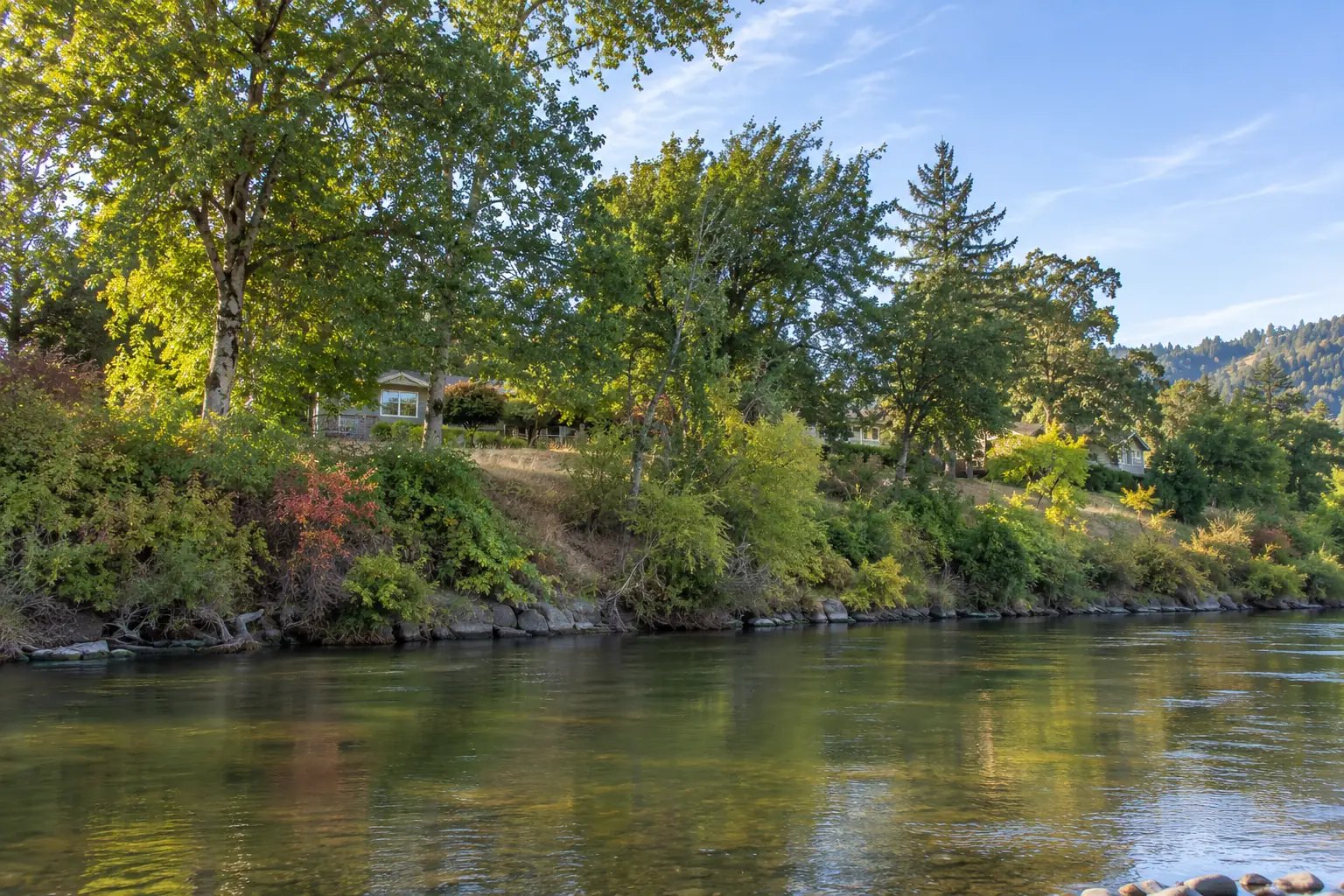
The county exceptions resemble the city's. An ODFW-approved landscape plan can trade non-native plants for natives, and forestry operations that hold Forest Practices Act approval may clear vegetation. The ordinance also says no understory or tree canopy may be removed inside the riparian setback to meet fuelbreak requirements. In other words, fire clearing does not override the stream buffer on county land.
Jackson County Code Enforcement lists riparian streambank damage and vegetation removal among the violations it takes reports on (Jackson County Code Enforcement, 541-774-6906). Before any cutting near water outside the city, call county planning.
Larger cuts on forestland can bring in state rules too. The Oregon Department of Forestry (ODF) asks for notice through its FERNS system at least 15 days before a forest operation starts (ODF FERNS). Removing one dead tree by a house is usually a different matter from a timber harvest, but if logs will be sold, ask ODF whether your job counts.
The Rogue River corridor and hillside lots around Gold Hill
Gold Hill sits on the Rogue River, so many tree jobs here involve riverbank rules, soft ground near water or a slope. The city describes itself as seated along the river on about 0.77 square miles, across the water from Interstate 5, at the spot where Crater Lake Highway 234 joins I-5 (City of Gold Hill community profile). City Hall lists the elevation as 1,093 feet (City of Gold Hill).
Near the river. On a riverfront lot, the first question is where the 75-foot line falls. A tree inside it is protected unless an exception applies, so a dead or leaning tree near the water needs a call to the city or county before anyone cuts. Ask what may come down, what has to stay and whether the wood or stump must be left in place. Ground near the bank can also be soft in winter and spring, which limits where heavy equipment can safely sit.
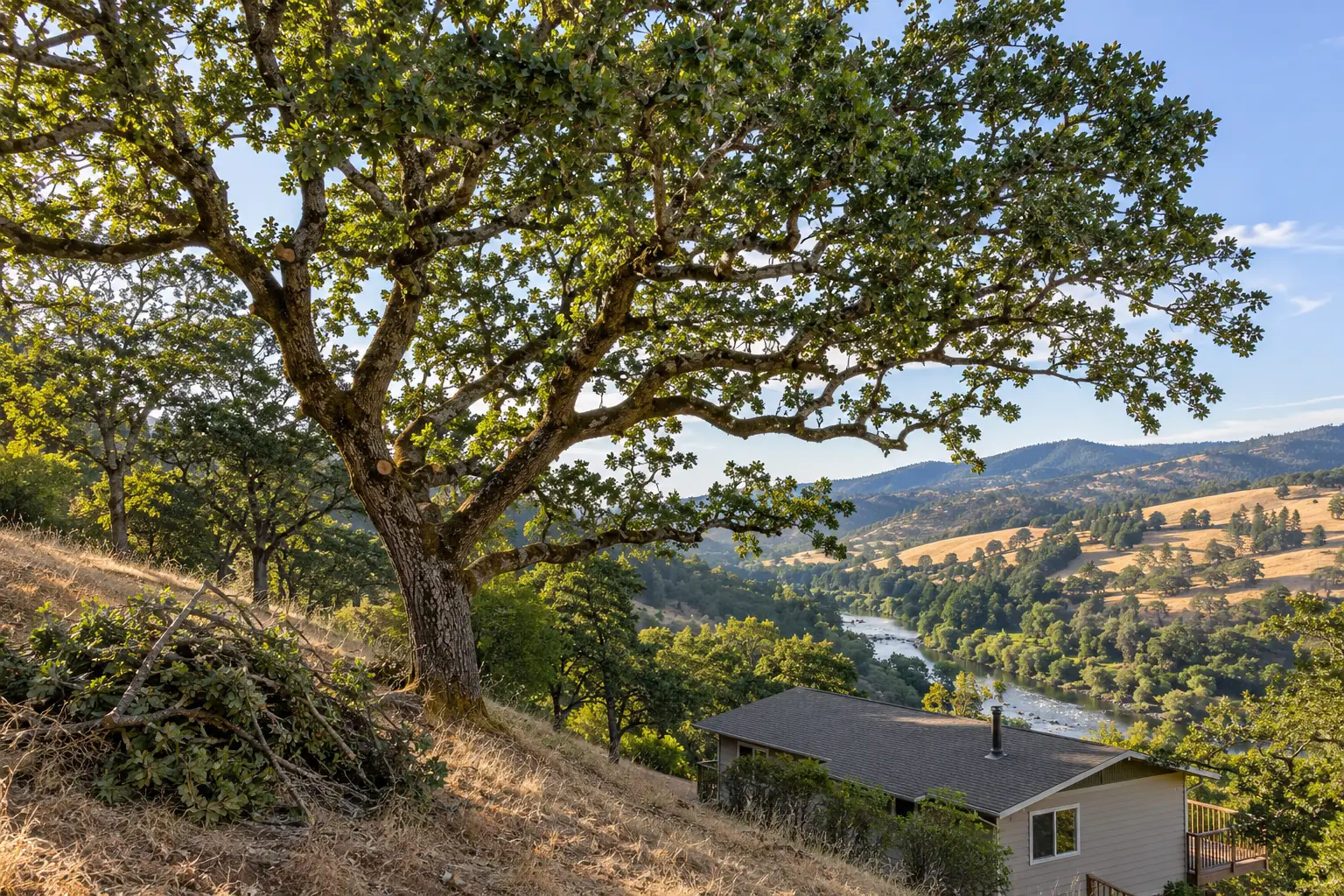
On a slope. A slope changes how a tree comes down. A lift or bucket truck may not be able to set up, so pieces are often cut and lowered by rope. Removing many roots from a bank can loosen soil, and a ground stump is not always the best choice on a steep grade. OSU Extension also found Douglas-fir decline worst on steep south- and west-facing slopes, upper slopes and ridges (OSU Extension EM 9406), which is where many dying firs end up needing removal.
The hillside tree removal guide covers rigging, access and erosion on sloped ground.
Oaks and conifers common around Gold Hill
The trees that most often need attention around Gold Hill are native oaks and Douglas-fir, each with its own problems. OSU Extension lists the Rogue Valley among the places Oregon white oak grows at lower elevations, up to about 3,800 feet, and says California black oak grows on low, dry slopes in valleys west of the Cascades (OSU Extension EM 9425, April 2024).
Oregon white oak. ODF describes white oak as very wind firm because of its deep taproot and strong side roots, and notes that it can sprout again from a cut stump or root collar (ODF, Forests for Oregon, Spring 2007). That second point is why stump grinding matters after an oak comes down if you do not want sprouts. ODF also says white oak dies once Douglas-fir grows over it, and that bird diversity is often higher in oak woods than in nearby conifer forest. A sound oak being shaded out by firs is often a reason to remove the firs instead of the oak. The oak tree removal guide covers when an oak should come down.
Mistletoe. OSU Extension names Oregon white oak and incense cedar as hosts for true mistletoe in the region. Damage is usually minor, but trees with many infections can show growth loss, branch dieback and drought stress. Pruning out mistletoe buys a few years and has to be repeated (OSU Extension EM 9679). On ponderosa pine, dwarf mistletoe is a separate problem. It causes brooms, dead tops and swelling, and it leaves trees more open to bark beetle attack.
Douglas-fir decline on dry ground
Douglas-fir has been dying in large numbers on hot, dry sites around the Rogue Valley. OSU Extension reports that aerial surveys counted about 260,000 Douglas-fir killed across nearly 150,000 acres of Jackson, Josephine and Douglas counties from 2016 to 2019 (OSU Extension EM 9406). The flatheaded fir borer is the main insect involved, and it usually finishes trees already weakened by drought.
The highest risk is on low to mid-elevation ground on the margins of the Rogue, Applegate and Umpqua valleys, especially below about 3,500 feet where rainfall is under 35 inches a year, and on oak woodland edges with shallow clay soil. Once borers are in a tree or the crown has badly declined, OSU says the tree cannot be saved. Dead firs that can reach a house, outbuilding, fence or road are hazards. Where it is safe, OSU suggests leaving two to five large snags per acre for wildlife on rural land.
Wildfire history and ODF fire season rules near Gold Hill
Wildfire is the main reason many Gold Hill owners look at their trees, and from spring to fall ODF limits when saws can run on protected land. Two recent fires show the risk.
On Sept. 8, 2020, the Almeda Drive Fire started in Ashland and spread north along Interstate 5 into Talent and Phoenix. The National Weather Service office in Medford reported that more than 2,400 homes and 165 commercial properties were lost. At the Medford airport that afternoon, humidity dropped to about 7 percent with southeast winds gusting to 40 mph (NWS Medford, September 2020 climate summary).
In July 2026, the East Evans Creek Fire started about seven miles west of Shady Cove in the Sams Valley area when a car struck a power pole and lit dry vegetation, and the governor invoked the Emergency Conflagration Act (ODF, July 11, 2026). An evacuation shelter opened at Hanby Middle School in Gold Hill (Oregon State Fire Marshal, July 15, 2026). ODF's final update put the fire at 15,580 acres (ODF, Aug. 5, 2026).
Fire season dates. ODF's Southwest Oregon District declared the 2026 fire season starting at 12:01 a.m. on May 15, covering 1.8 million acres of ODF-protected land in Jackson and Josephine counties (Jackson County Fire District 3). The 2025 season ended on Oct. 14, 2025, after 135 days (Jackson County Fire District 3).
Saw hours. ODF's 2026 regulated closure for the district bans power saws during extreme fire danger. Saws may run without an hour limit on low-danger days, up to 1 p.m. and again past 8 p.m. when danger is moderate, and up to 10 a.m. and again past 8 p.m. when danger is high. Each saw needs a shovel and an extinguisher that holds eight ounces or more, and someone watching for fire for one hour or longer after use. Battery and electric saws are included. Backyard debris burning is prohibited all season (ODF regulated closure, May 12, 2026). The closure covers land protected by the district and forestland within one-eighth mile of it.
Clearing around the house. The Oregon State Fire Marshal groups defensible space into zones of 0 to 5 feet, 5 to 30 feet and 30 to 100 feet or more from the home. Its tree advice is to space crowns at least 10 feet apart, prune limbs up 6 feet from the ground and remove brush under trees (Oregon State Fire Marshal). The fire season tree work guide explains how to plan removals around these limits.
Storms and wind around Gold Hill
Heavy wet snow and dry east wind are the two weather patterns that have brought down or stressed trees in southwest Oregon in recent years, according to the National Weather Service in Medford.
In late February 2019, a cold atmospheric river stalled over the region. NWS Medford reported 8 to 12 inches of heavy, wet snow on valley floors in the Umpqua Basin to the north, with thousands of downed trees and power outages lasting days or weeks for many. The Medford airport recorded 4.1 inches. The governor declared an emergency for several counties, including Jackson and Josephine (NWS Medford, February 2019 climate summary).
Dry east wind, like the September 2020 event described above, snaps weak limbs and drives fire through dead material.
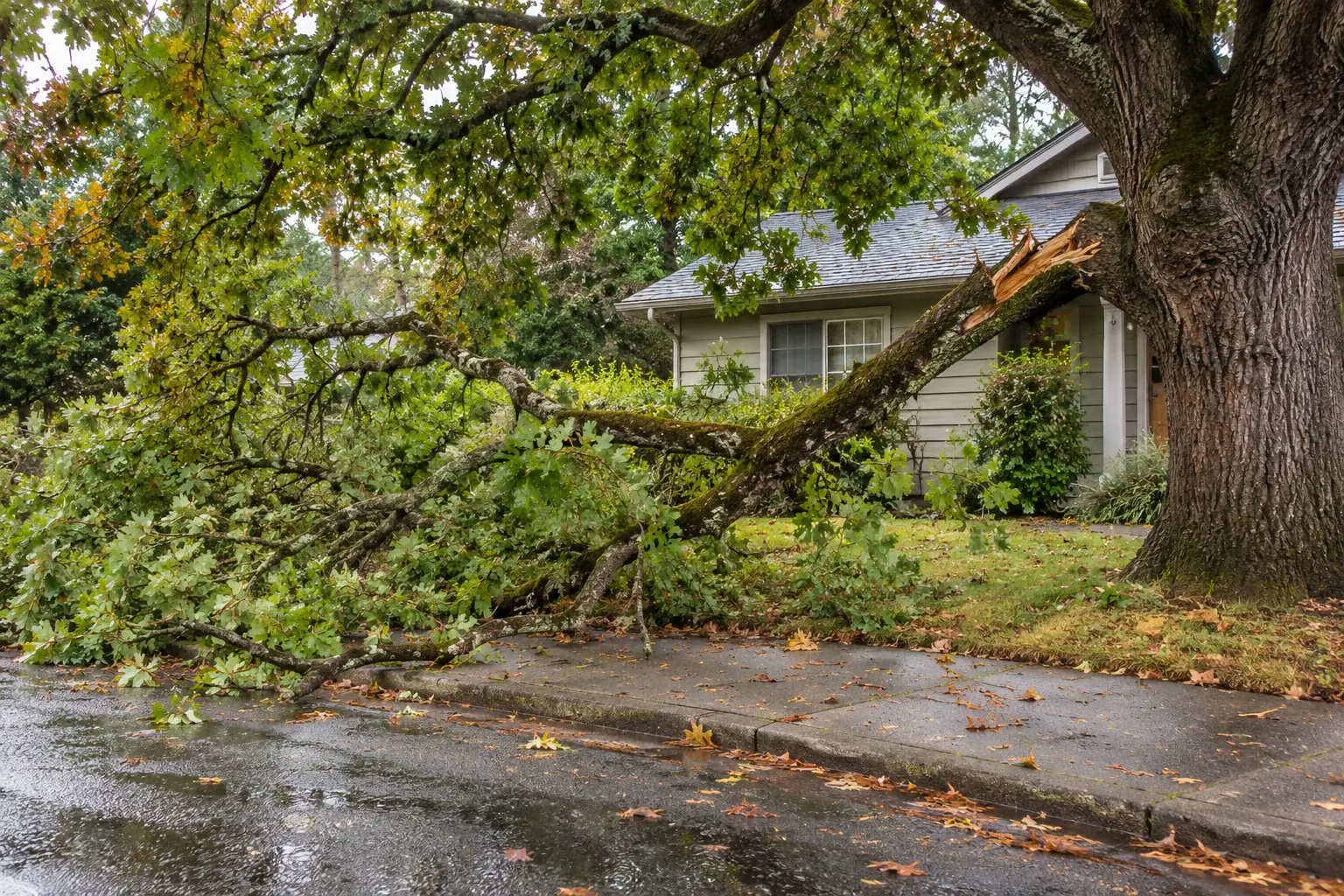
After a storm, stay away from any tree that is cracked, hung up in another tree or touching a line. Do not climb it or cut it yourself. Take photos before anything is moved if you may file an insurance claim, and ask your insurer what it covers. The storm damage tree removal page explains what to do first.
Trees near power lines and Pacific Power
Never cut a tree that touches or leans toward a power line. Where a limb is hung on the wires or a wire has fallen, get 35 feet or farther away and phone 911. After that, phone Pacific Power, which takes reports of downed wires and outages at 1-877-508-5088 (Pacific Power outages and safety). Only once the utility has made the line safe can a tree company step in.
Routine growth is a separate matter with a separate number. For a tree growing toward a line with nothing broken, down or sparking, Pacific Power asks you to call its customer service line, 1-888-221-7070, and ask for a utility arborist (Pacific Power vegetation management). Never dial that one about a fallen wire or a limb hung in the lines. The utility says it:
- Prunes trees to keep lines clear at no cost to you.
- Offers a free temporary service disconnect so tree work near the line to your house can be done safely.
- Clears vegetation within 10 feet of poles, up to 8 feet high, in high-risk areas.
- Seeks the owner's written permission before removing a hazard tree, except when public safety requires action and the owner cannot be reached.
If you want a tree near a line removed for your own reasons, such as a view or a remodel, Pacific Power says you may hire your own contractor after its arborist has looked at the situation. When replanting, the utility suggests keeping small trees at least 20 feet from a pole, medium trees at least 40 feet and large trees at least 60 feet. Call 811 at least 48 hours before digging.
Tree removal day on small city lots and rural land
On a tight city lot a tree usually comes down in pieces, while on open rural ground a company may be able to drop it whole. Gold Hill had 578 housing units at the 2020 census (2020 Census profiles from the Portland State University Population Research Center) on less than a square mile, so in-town jobs often sit close to houses, fences and neighbors.
On a small city lot. Expect the company to climb or use a lift, cut the tree from the top down and lower heavy pieces with ropes. A chipper and truck usually park at the curb. Ask whether they will need part of the street and whether that needs city approval. Move cars and anything breakable away from the drop zone. If you keep the wood, plan where the rounds will go so they are not left loose where children play.
On rural land. Access is the first question. Gates, narrow driveways, soft ground and slopes decide what equipment can reach the tree. During fire season, saw work may be limited to early mornings, so a big job can take several days. Slash cannot be burned during fire season. After the season ends, check with your local fire agency about burn permits and burn days (Jackson County Fire District 3). Chipping or hauling may be the better choice.
Before the company arrives, have these answers ready:
- Which trees, marked with tape or flagging.
- Where the property line is, if the tree is near it.
- Whether you want the stump ground and the wood kept or hauled.
- Where water, septic, irrigation and buried lines run.
- Gate codes, pets and the best place to park.
How to check a tree company before you hire
Check the company's license on the Oregon CCB search, ask for proof of insurance and get the full job in writing before work starts. The CCB lists tree servicing among the work that requires a license (Oregon CCB license page). The Landscape Contractors Board says a license from either the CCB or the LCB allows removing trees and grinding stumps (Oregon LCB tree work FAQ).
- Ask for the company's CCB number and look it up on the Oregon CCB license search. Make sure the license is active and the business name matches.
- Ask for a certificate of liability insurance. The CCB sets minimum bond and insurance amounts by license type. For example, a residential specialty contractor needs a $20,000 bond and $300,000 per occurrence in general liability coverage.
- Ask whether the people doing the work are employees and how they are covered for injuries.
- Get a written estimate that names the trees, the price, stump grinding, cleanup, what happens to the wood and the expected dates.
- Get a second estimate if the job is large or the price surprises you. You are free to do that.
If something goes wrong, contact the company in writing first. The CCB handles disputes with licensed contractors, and the complaints page explains where to go.
Tree services you can ask about
Most kinds of residential tree removal around Gold Hill can be put to the single licensed company behind this number. Pick the page that matches your situation.
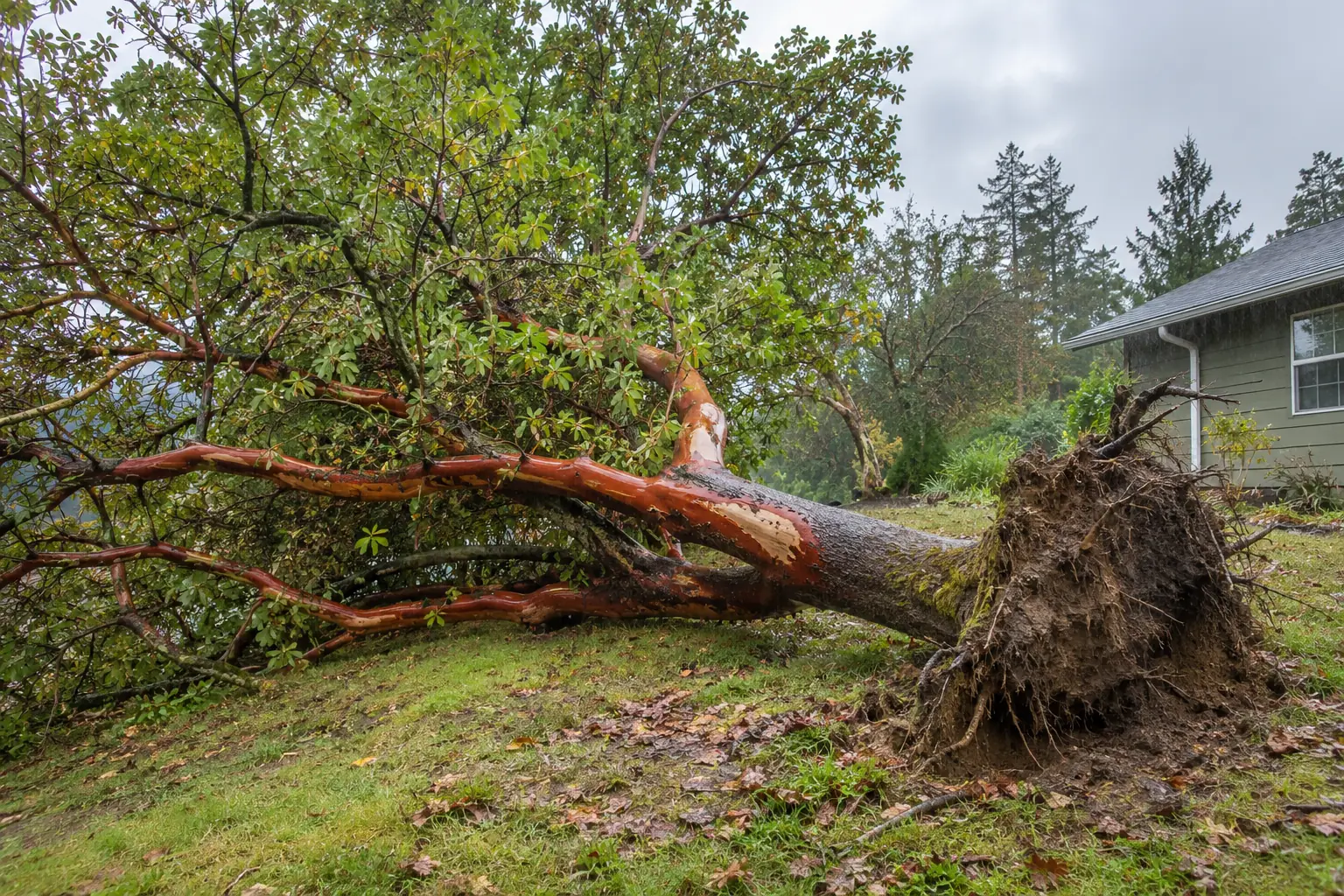
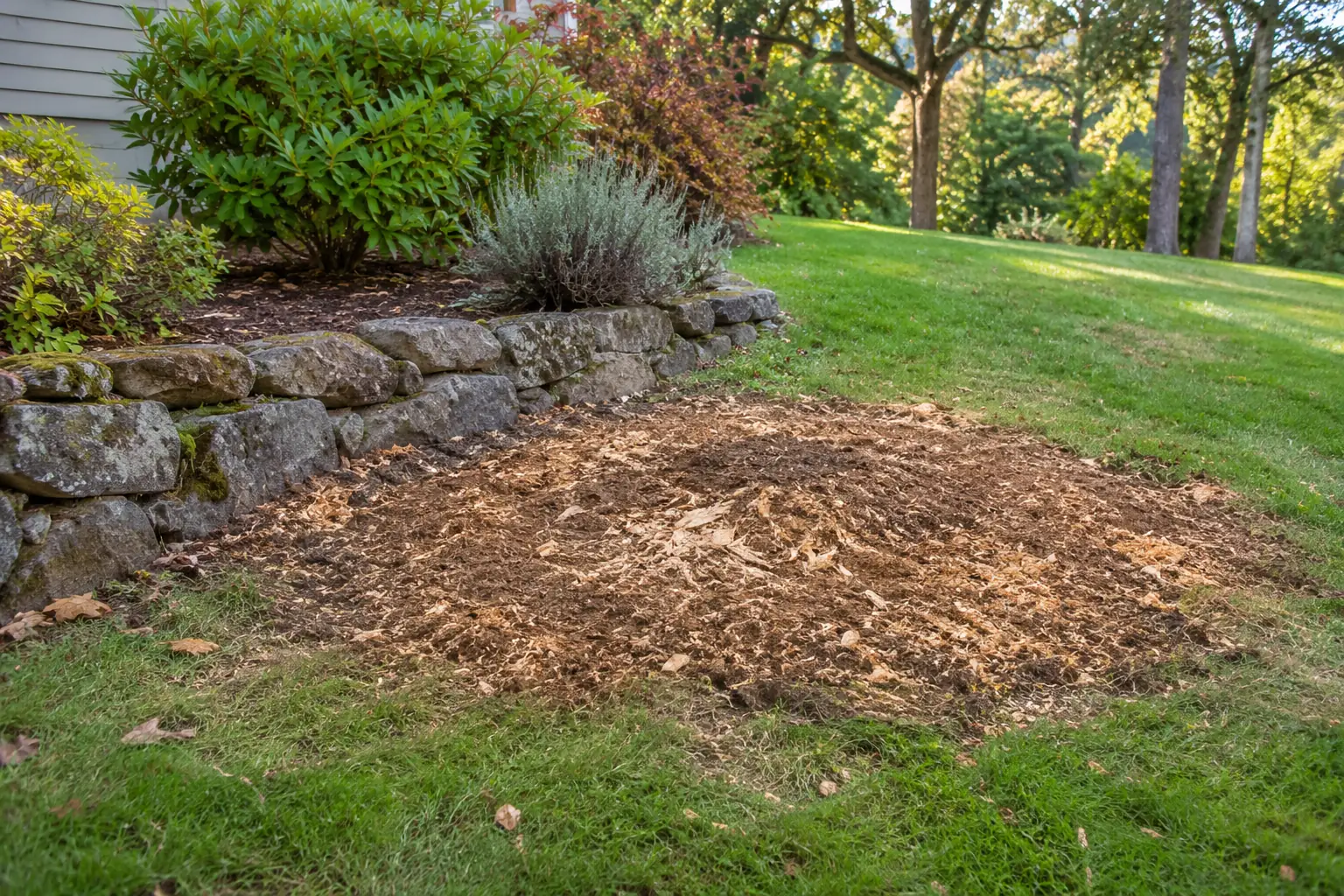
The emergency tree removal page covers trees on houses, cars or driveways. The large tree removal page covers tall firs and pines near buildings, and the stump grinding page covers what is left behind.
Towns near Gold Hill
The line also takes calls from homeowners in nearby Jackson County communities. Each town page covers local conditions and rules.
North of town, the East Evans Creek Fire burned in the Sams Valley area in 2026, so the Sams Valley tree removal page focuses on fire clearing. The Applegate tree removal page covers the dry valley edges where OSU found heavy Douglas-fir loss. Pages for Foots Creek, Central Point and Jacksonville cover the rest of the area.
Guides for Gold Hill homeowners
These guides go deeper on costs, rules and the conditions that shape tree work around Gold Hill.
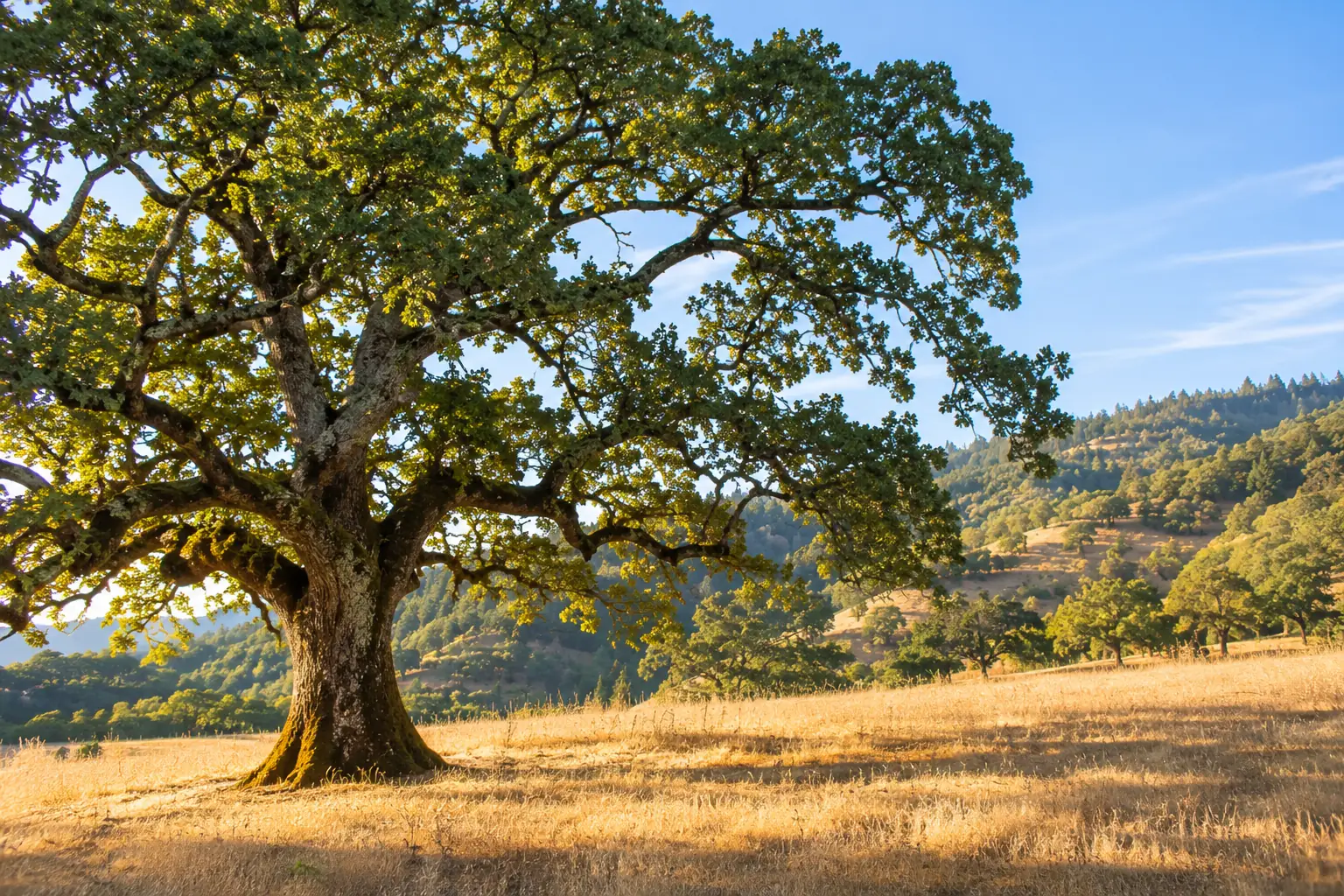
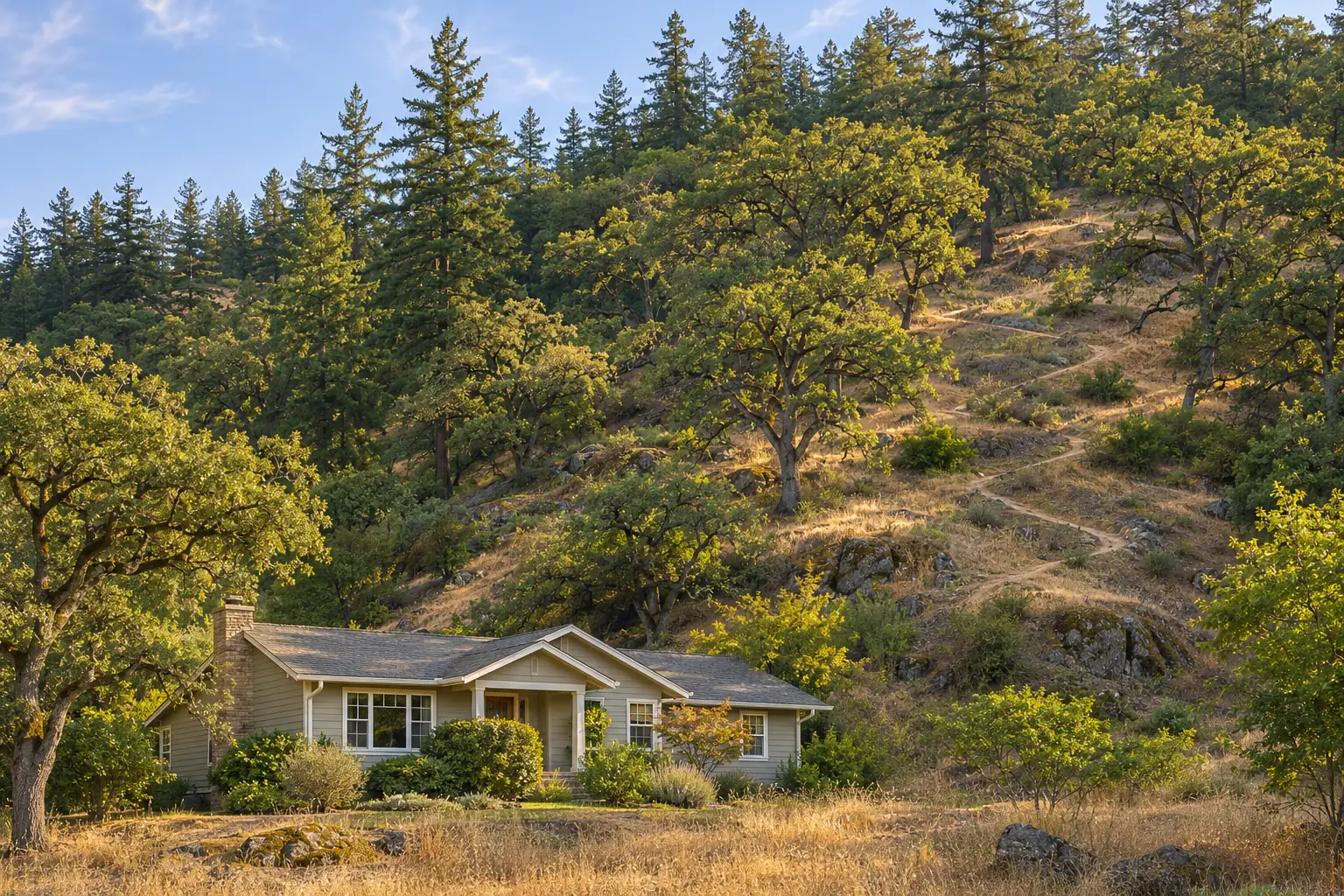
Start with the cost guide if you are budgeting, or the tree rules guide if the tree is near the river or the street.
Frequently asked questions
How much does tree removal cost in Gold Hill?
National guides updated in October 2026 put one tree at about $285 to $2,000 depending on height, with an average near $850 (Lawn Love). Access, slope, power lines and cleanup change the price. The written estimate from the company that sees your tree is what counts.
Is this service free?
The service is free to you. You pay nothing to call or send the form. The tree company pays this site a referral fee, and you pay the company only for work you agree to. A fee for the estimate visit, if any, is set by the company. Routine jobs are quoted for nothing more often than not, so check.
Do I need a permit to remove a tree in Gold Hill?
Titles 8 and 17 of the city code do not list a general permit for a healthy tree in a private yard. Trees up to 75 feet from the top of the Rogue River bank are protected, and work tied to a building or grading permit may need an erosion plan. Call City Hall at (541) 855-1525 to confirm before cutting.
Can I cut trees near the Rogue River on my property?
In most cases you cannot without approval. The city and Jackson County each require plants and tree cover in the 75 feet nearest the top of the Rogue River bank to stay, with few exceptions. Call the city or county planning office before any work near the water.
Can tree work happen during fire season?
Yes, with limits on ODF-protected land. Under ODF's 2026 rules, saws may run without an hour limit on low-danger days, only in the early morning and evening at moderate and high danger, and not at all at extreme danger. A shovel, an extinguisher and a one-hour fire watch are required.
Who removes a tree that is touching a power line?
Pacific Power deals with the line first. Get 35 feet or farther away, phone 911, and after that report it to Pacific Power on 1-877-508-5088. Tree crews wait until the utility declares the line safe.
How do I know the company is licensed?
Ask for its CCB number and look it up on the Oregon CCB license search. Check that the license is active and the name matches the company you are talking to. Also ask for a certificate of insurance.
Should I remove a dying Douglas-fir?
A fir with a dead top, red or gray branch tips, pitch droplets or woodpecker damage is likely dying. OSU Extension says such trees cannot be saved once borers are established. If it can reach a house, fence or road, have a company look at it soon.
Does the company grind the stump too?
Usually stump grinding is quoted as a separate item. Ask for it on the written estimate. With oaks, grinding helps stop new sprouts from the stump.
What areas does this service cover?
It serves Gold Hill and nearby Jackson County communities, including Sams Valley, Foots Creek, Central Point, Jacksonville and the Applegate. Call (541) 855-3080 with your address and learn from the company whether your place falls inside its range.