
These guides answer the questions Gold Hill homeowners ask most before taking a tree down: what it costs, which rules apply near the Rogue River, when an oak should go, how hillside jobs work and what fire season changes. When you are ready for a price, call (541) 855-3080 to reach one separate tree business carrying an Oregon CCB license.
What each guide covers
Each guide focuses on one question and links to the official sources behind it.
- How much tree removal costs around Gold Hill. Price ranges by tree height and type with their sources and dates, plus what pushes an estimate up or down and how to read one.
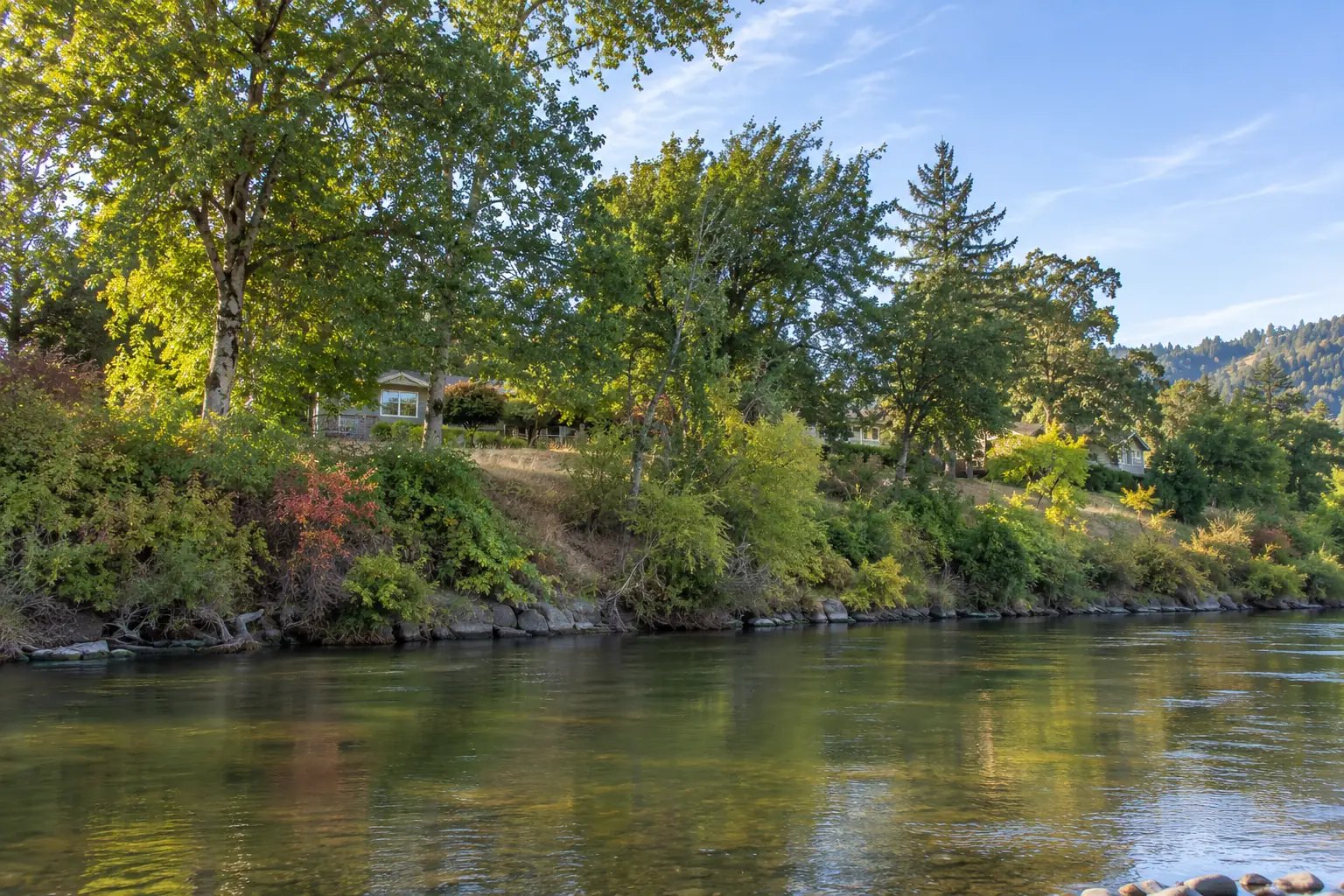
- Gold Hill tree and riverbank rules. The city code sections on the 75-foot Rogue River buffer, hazard trees, limb clearance over sidewalks and streets, and burning, along with Jackson County rules outside city limits.
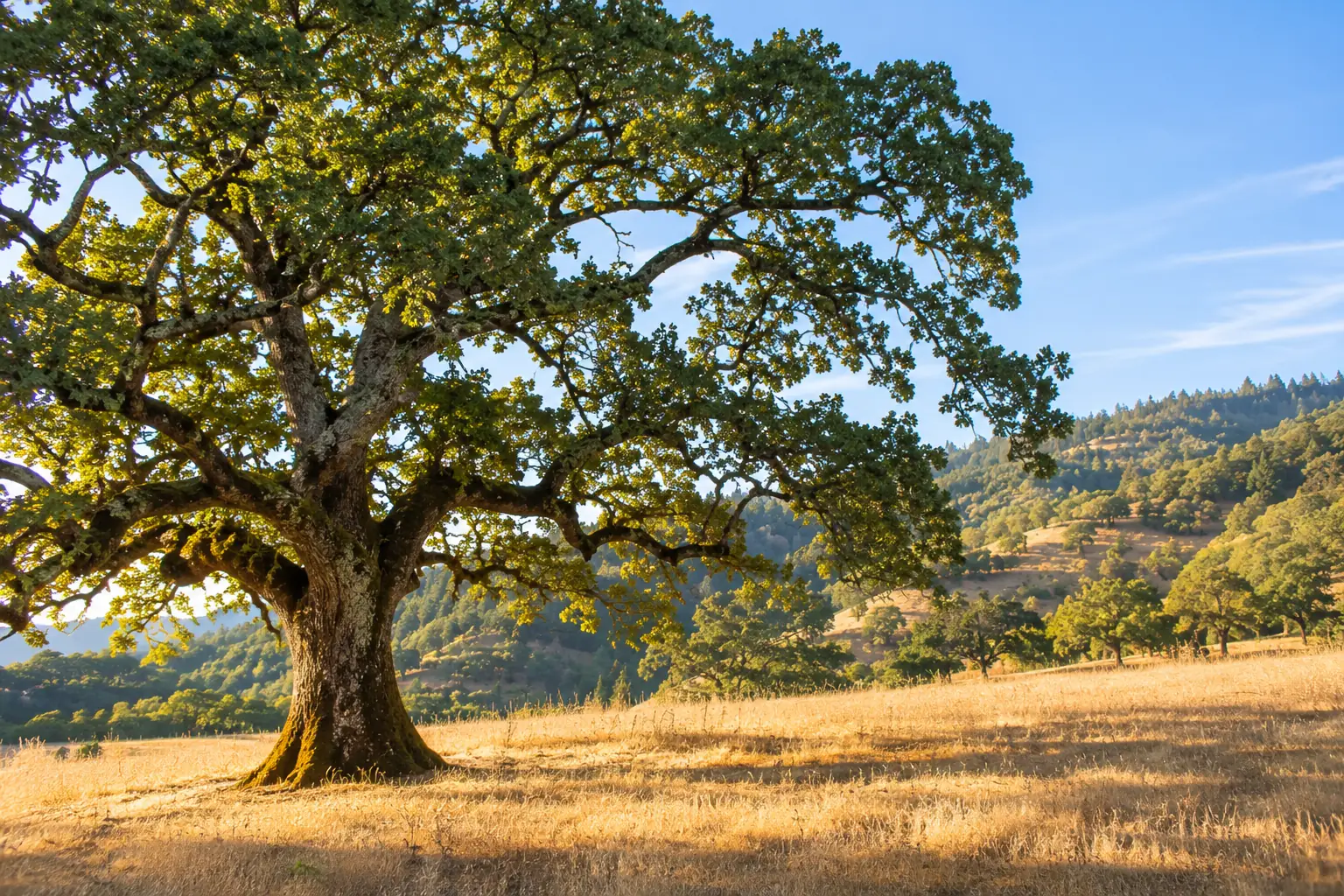
- Removing Oregon white oak and black oak. When an oak should come down, why some oaks are worth keeping, how Douglas-fir crowds oaks out, and what to do about mistletoe.
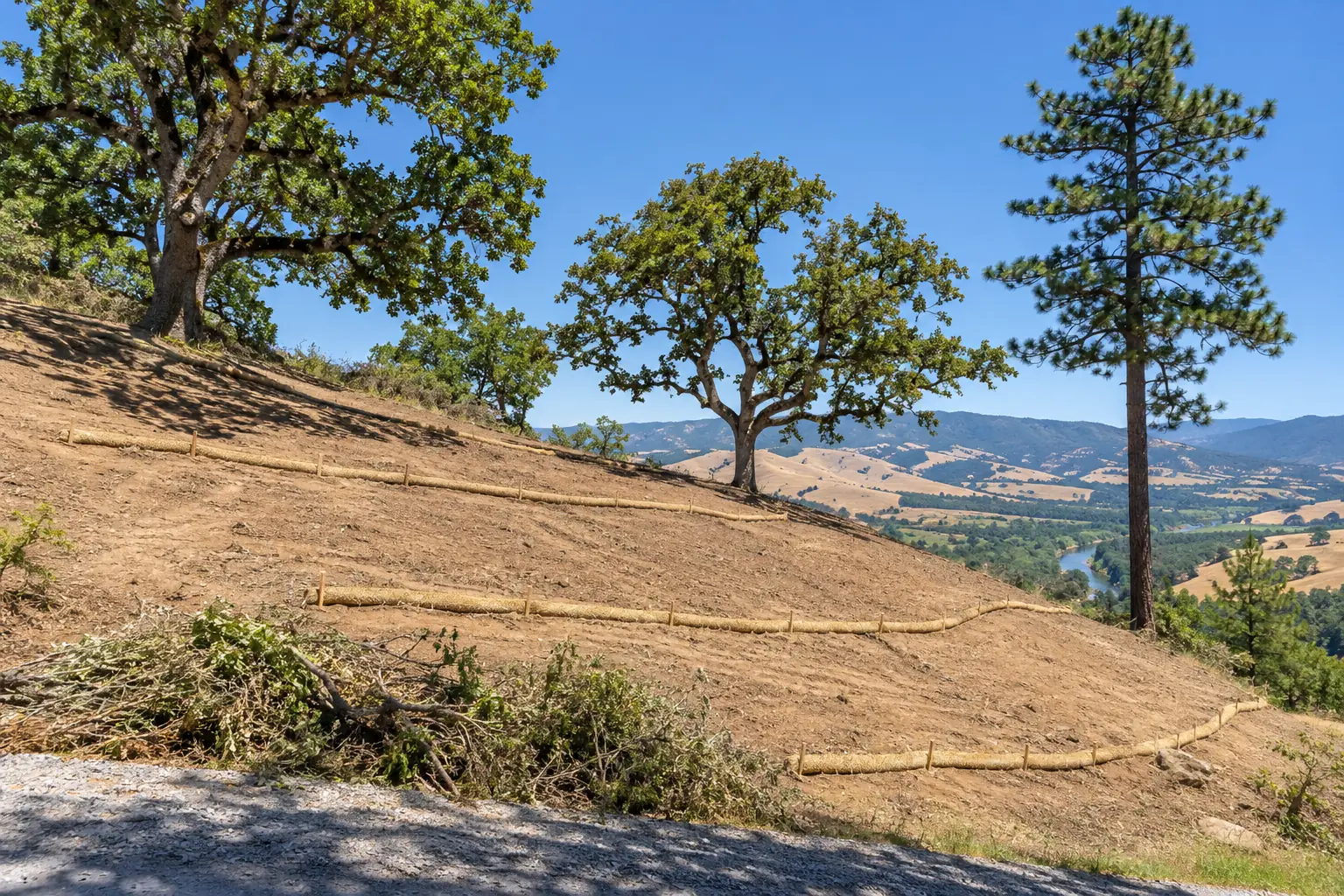
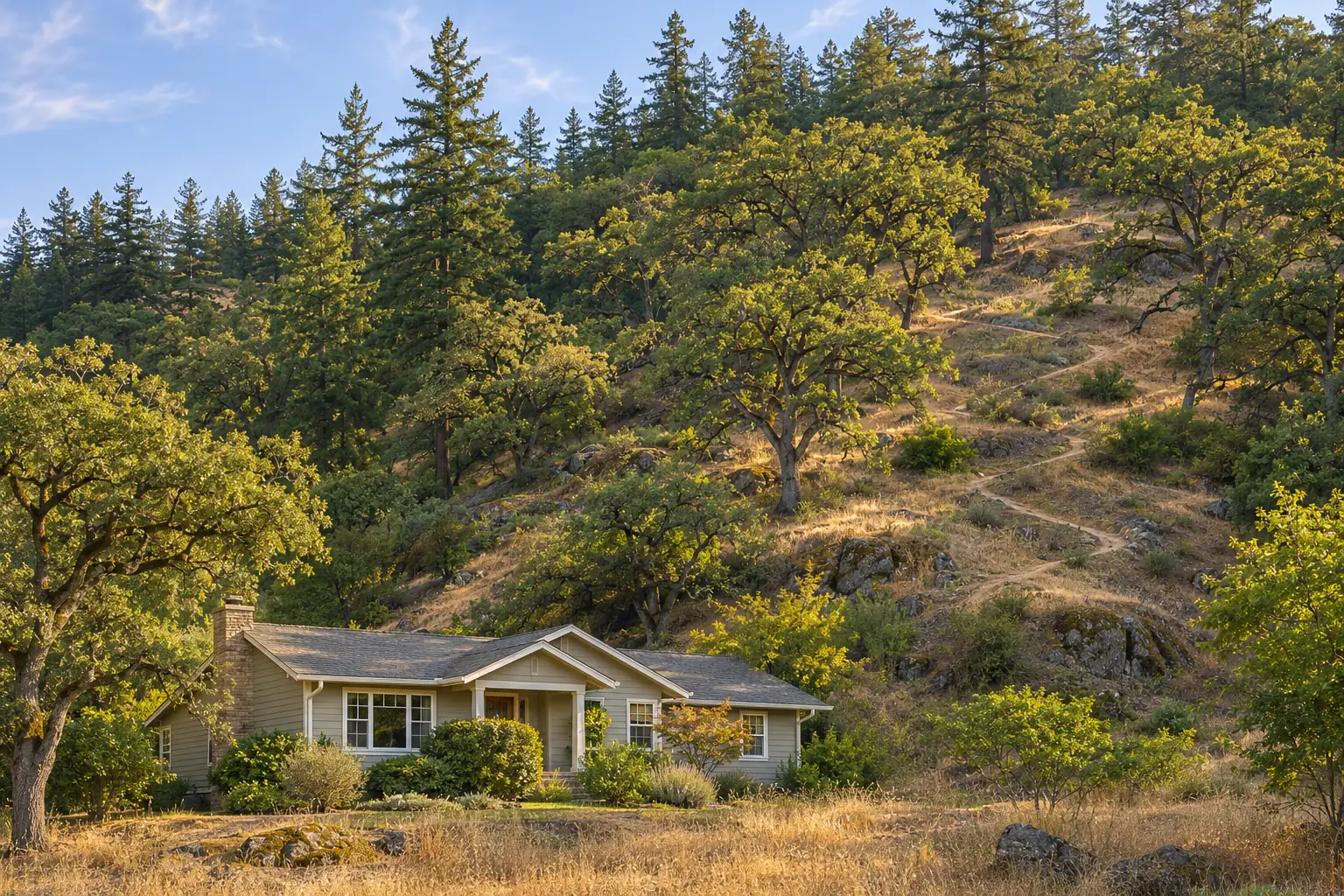
- Tree removal on steep and hillside lots. How slope changes access and rigging, why erosion matters after a removal, and what to ask a company before work starts on a bank.
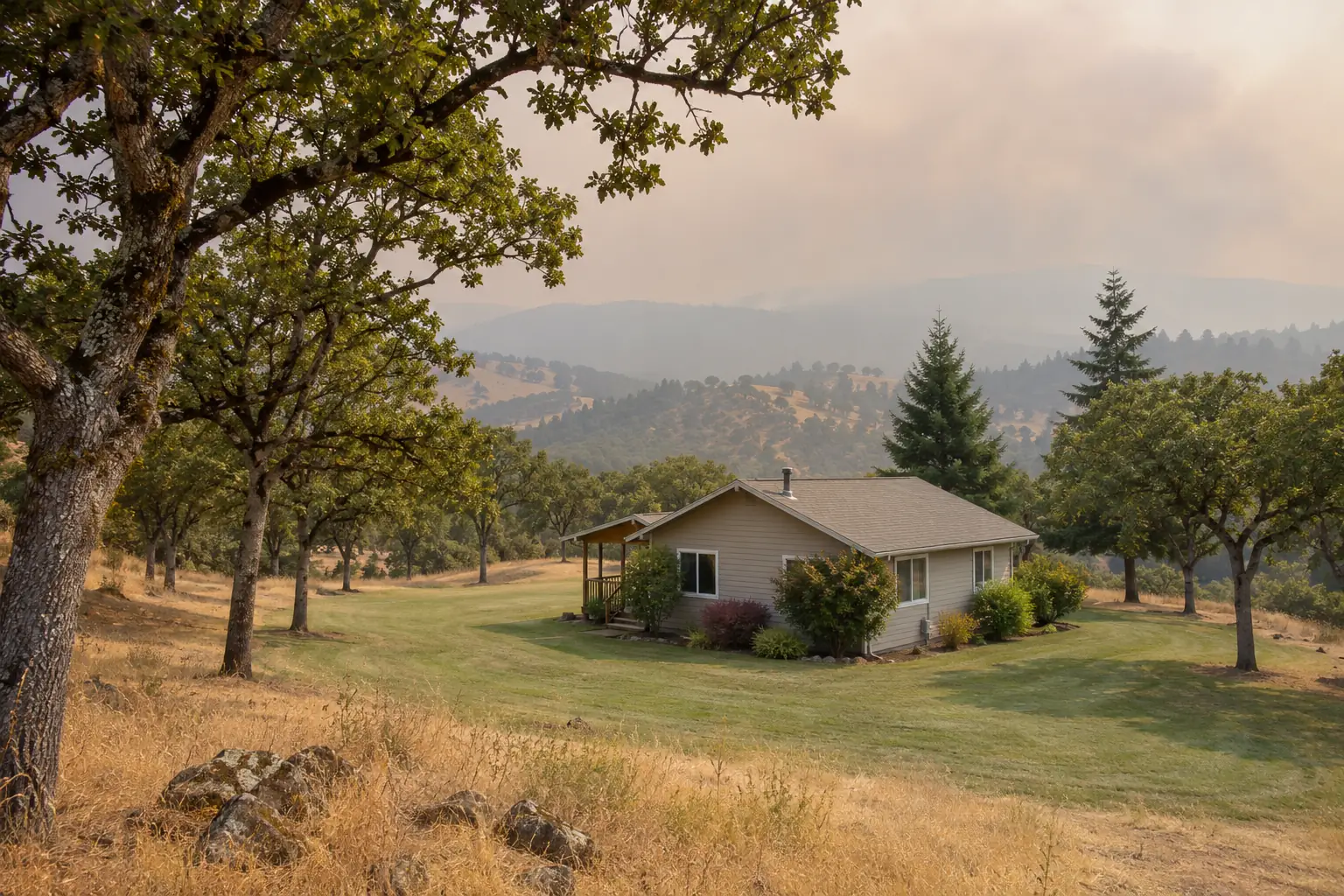
- Fire season and tree work around Gold Hill. ODF saw hours at each fire danger level, defensible space zones and when to schedule removals.
Where the facts come from
Every local fact in these guides links to its source, and most sources are government or university pages. The main ones are:
- City of Gold Hill municipal code, including Title 17, the zoning and land use code, and Title 8, health and safety.
- Jackson County's Land Development Ordinance for rural land outside city limits.
- The Oregon Department of Forestry's regulated closure for the Southwest Oregon District.
- OSU Extension publications on Douglas-fir decline in southwest Oregon and mistletoe.
- Pacific Power for trees near lines.
- The Oregon CCB for contractor licensing.
Cost figures come from national cost guides and carry the date they were last updated. They are averages, not quotes. Where a fact could not be confirmed, it was left out.
How to use these guides
Read the guide that matches your problem, then talk to a company. The guides help you ask better questions. They cannot tell you whether your particular tree is safe, because that takes someone looking at it in person.
A sensible order for most people:
- If the tree is near the Rogue River, a creek or the street, start with the tree rules guide.
- If you are budgeting, read the cost guide next.
- If the work falls during fire season, which began May 15 in 2026, check the fire season guide for saw hours.
- Call (541) 855-3080 or send the estimate form. A written estimate is then yours to request from the company.
If a tree has already landed on something or shut the road, skip the guides and go to emergency tree removal.
A few facts worth knowing before you read
A few local points come up again and again across the guides.
- The river buffer is 75 feet. Both the city and Jackson County keep vegetation and tree cover within 75 feet of the top of the Rogue River bank, with narrow exceptions.
- Saw hours shrink as fire danger rises. Under ODF's 2026 rules for the district, saws may run without an hour limit on low-danger days, up to 1 p.m. and again past 8 p.m. on moderate days, up to 10 a.m. and again past 8 p.m. on high days, and not at all at extreme.
- Dying Douglas-fir is common on dry ground. OSU Extension reports about 260,000 Douglas-fir killed across nearly 150,000 acres of Jackson, Josephine and Douglas counties from 2016 to 2019.
- Oak stumps can sprout. ODF notes that Oregon white oak can sprout again from a cut stump (ODF), so grinding matters if you do not want regrowth.
These guides are general information, not legal, insurance or tree-care advice. Confirm rules with the city, the county or ODF, and rely on the written estimate from the company that sees your tree. For the full overview, see the Gold Hill tree removal home page or the list of services.
Frequently asked questions
Are these guides written by a tree company?
They are written by this site, which is an independent referral service and not a tree company. The guides summarize public sources such as the city code, Jackson County, ODF and OSU Extension, and each fact links to its source.
How current are the rules in the guides?
The guides cite the version of each source that was available when they were written, and cost figures show their update dates. Rules change, so confirm with the city, county or ODF before you act.
Can a guide tell me if my tree is dangerous?
A guide cannot do that. It can list warning signs, but only someone who inspects the tree in person can judge it. Call (541) 855-3080 to have a licensed company look at it.